Forestry Mulching
One machine grinds standing brush, saplings, and small trees into a clean mulch layer. No burn piles, no hauling, no torn-up ground.
Learn More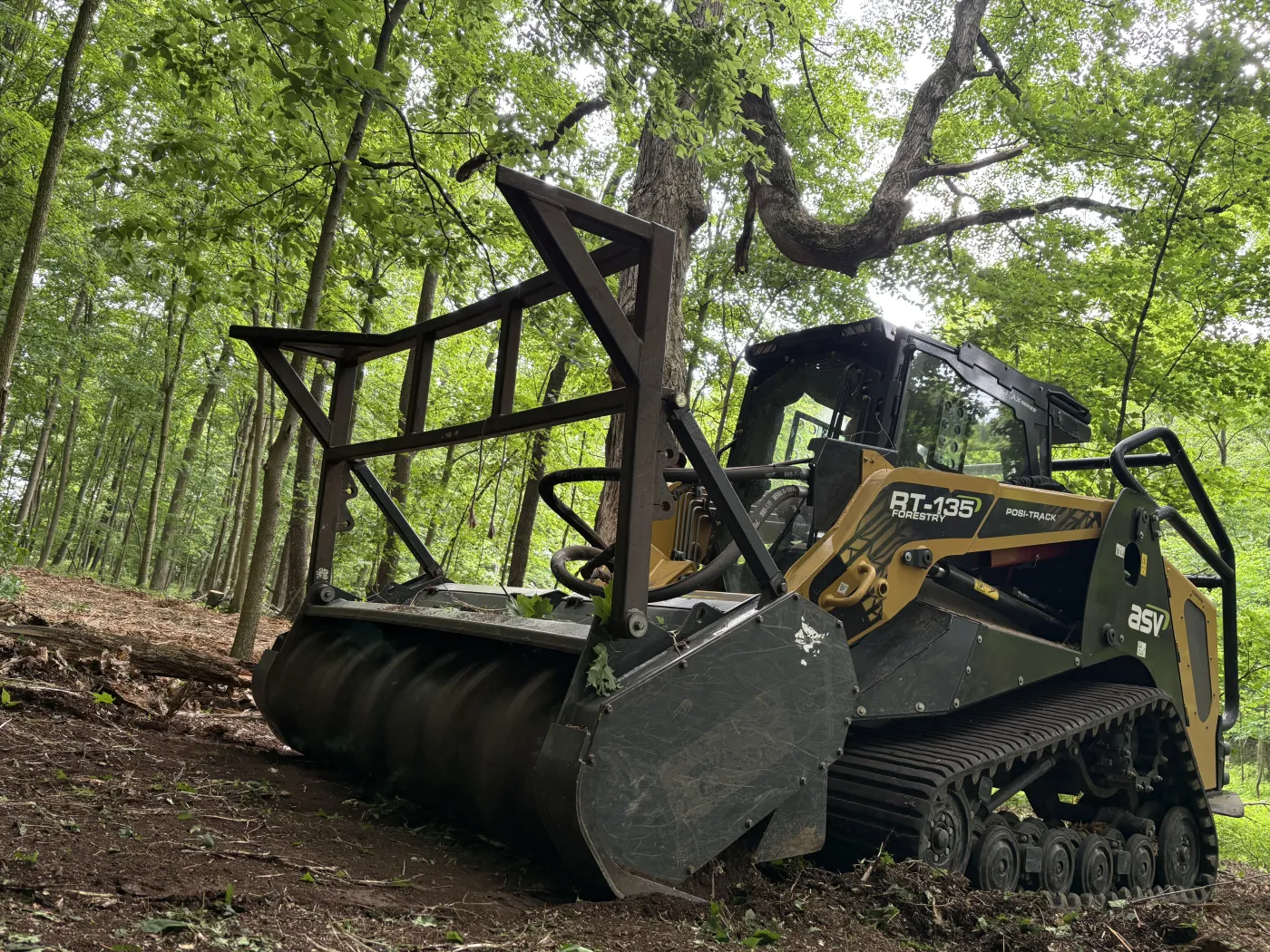
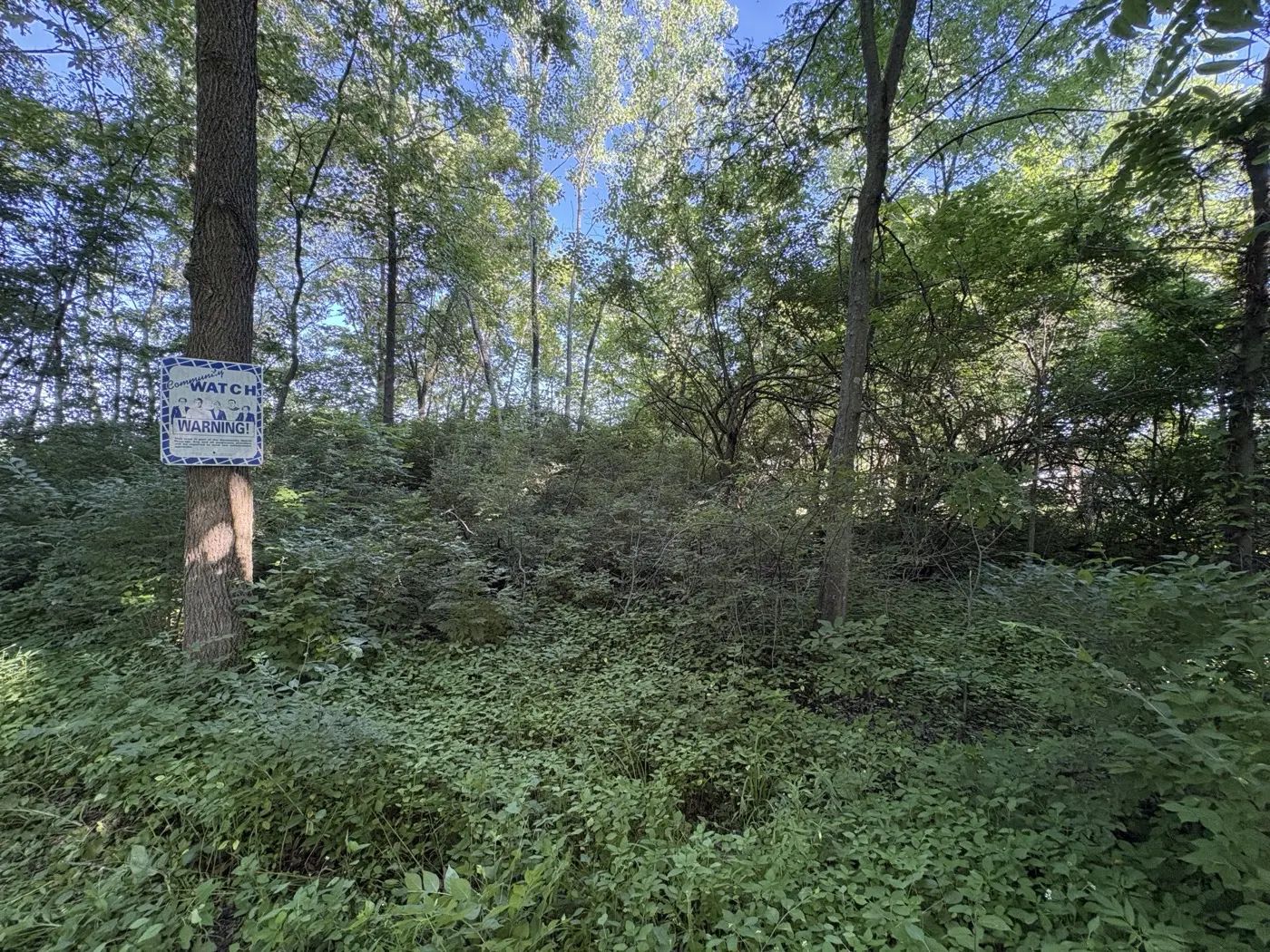
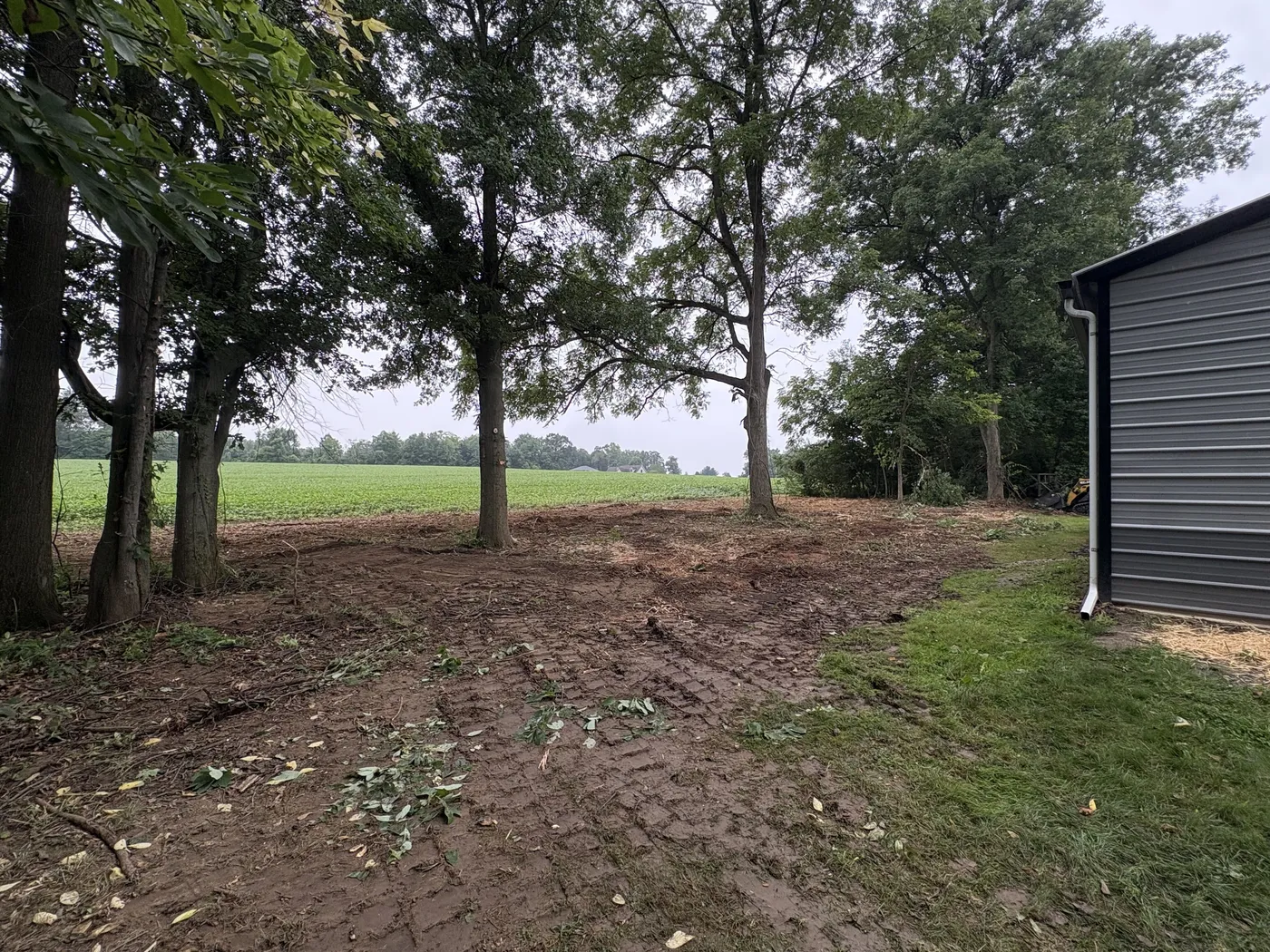
Honeysuckle removal in Mansfield and across north central Ohio is mechanical work with a tracked mulcher. Bush honeysuckle grows 6 to 20 feet tall on long arching branches. It forms thick stands with bare ground under them. Birds spread the red berries, so a few shrubs turn into a wall of brush. We grind that wall into a chip layer right at the stump. The keeper trees you point out stay standing. Ground that was a thicket is open and stable when the crew leaves.
Invasive species removal is a narrower job than general brush work. We clear honeysuckle, multiflora rose, autumn olive and Callery pear from woods edges, fence rows and open fields. Inside the woods we work between the trees you want to keep. For a broader cleanup of junk saplings and vines under the canopy, read our full understory cleanup page. The machine behind both jobs is the same, and you can see how the mulcher leaves a woods. Everything we cut stays on the ground as chips.
Tell us about your ground and we will get right back to you.
Bush honeysuckle is easy to name once you know the signs. The shrubs run 6 to 20 feet tall on long arching branches. Red berries show up from mid summer into early fall. Break an older stem and you will find it hollow inside. Native honeysuckle stems are solid all the way through. In late fall the leaves stay green well past the native shrubs. Mid to late October is the easiest time to spot every plant on a place. Amur, Morrow and Tatarian honeysuckle all act the same way here.
The plant came from Europe and Asia in the mid to late 1800s. It was sold as an ornamental and planted to hold soil. Now it takes over abandoned fields, roadsides, rights of way and woodland edges. It pushes into open woods too. Roots sit shallow, and birds carry the seed to every corner of a property. Old shrubs sprout new stems, so a stand thickens on its own. A mature thicket runs pure, with bare dirt under it. The emerald ash borer killed ash across our counties, and honeysuckle took the light.
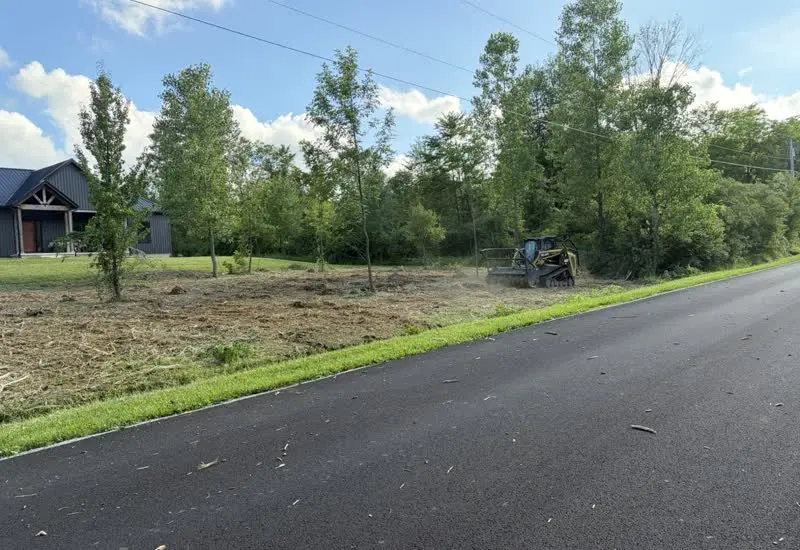
We bring one ASV RT-135 track loader with a drum mulching head. The head grinds standing honeysuckle into chips right where it grew. Stems up to about 6 inches take it easily. Stems of 6 to 10 inches run slower and get picked off selectively. You flag the trees you want kept, and the crew works around them. Stumps come down to 1 to 2 inches below grade, so the ground mows clean. Frozen or dry ground carries the machine with little soil disturbance. The tracks handle steep ground and soft spots that bog down wheels.
Cutting a mature shrub at the base makes it sprout back hard. Mechanical work alone does not finish an old stand. We do not spray, so the follow-up plan comes with your estimate. The mulching pass gives you open, usable ground the day we leave. It also makes any follow-up far easier. That next step can be a repeat pass next season, or a brush hog run. You can also spot treat the sprouts yourself or hire a licensed applicator. More on the program sits in our guide to autumn olive, rose and honeysuckle.
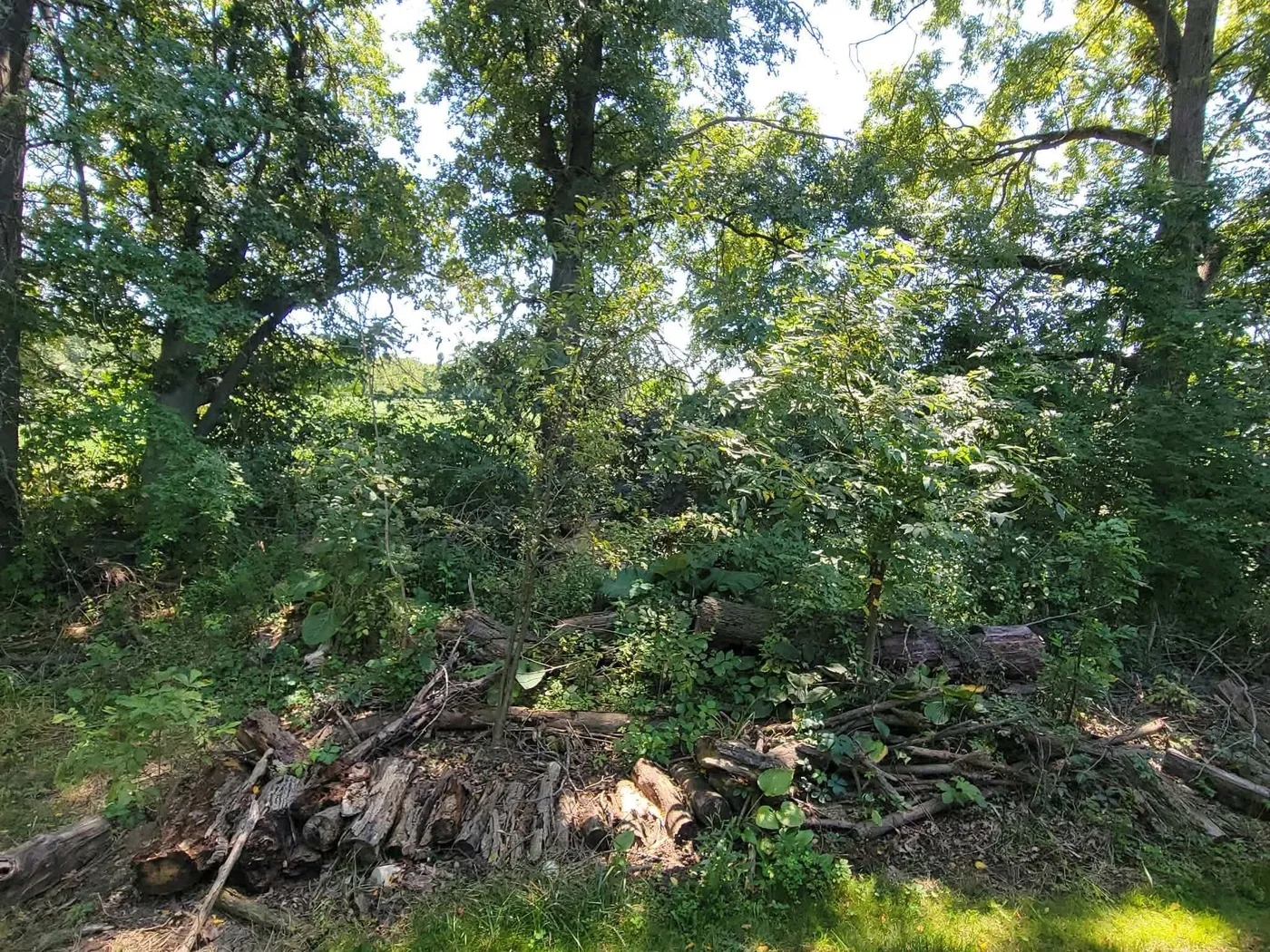
Honeysuckle rarely grows alone on a property here. Multiflora rose and autumn olive fill old fence rows and field edges. Callery pear seeds into pastures and roadsides, and buckthorn holds the wetter spots. Wild grape, greenbrier and bittersweet climb through it all and tangle a stand shut. Ohio's invasive plant rule names 63 species that cannot be sold or distributed here. Honeysuckle, rose, autumn olive, Callery pear, buckthorn and Oriental bittersweet are all on it. The Callery pear ban took effect January 7, 2023. We take all of them out in the same pass.
North of Mansfield and Ashland the ground is flat and farmed. There the job is fence rows swallowed by rose and olive, plus brushy field borders. South and east toward Bellville, Butler and Loudonville the hills are wooded. Those Mohican country parcels get honeysuckle walls under the canopy. On idle acreage we also mulch fields going back to thicket before the rose takes it all. We run 75 miles out of Mansfield, so Richland, Ashland and Knox woodlots are in range. Clay ground here goes soft in spring, so we often wait for it to firm.
From the first walk of the property to the final one, here is exactly how it goes.
We come out, walk the ground with you, and look at what is actually growing: brush density, tree sizes, wet spots, and anything you want protected or kept.
You get a free written estimate with a real timeline. We tell you exactly what the mulcher will leave behind, down to the stump height, so there are no surprises.
The machine shows up when we said it would. We clear to your flags, work selectively around keeper trees, and grind everything else into a clean mulch layer.
We walk the finished ground together. A finish pass evens out the mulch bed, and the job is done when you say it looks right, not when we drive away.
Common questions about honeysuckle removal across North Central Ohio. Don't see yours? Give us a call — we're happy to help.
One machine grinds standing brush, saplings, and small trees into a clean mulch layer. No burn piles, no hauling, no torn-up ground.
Learn More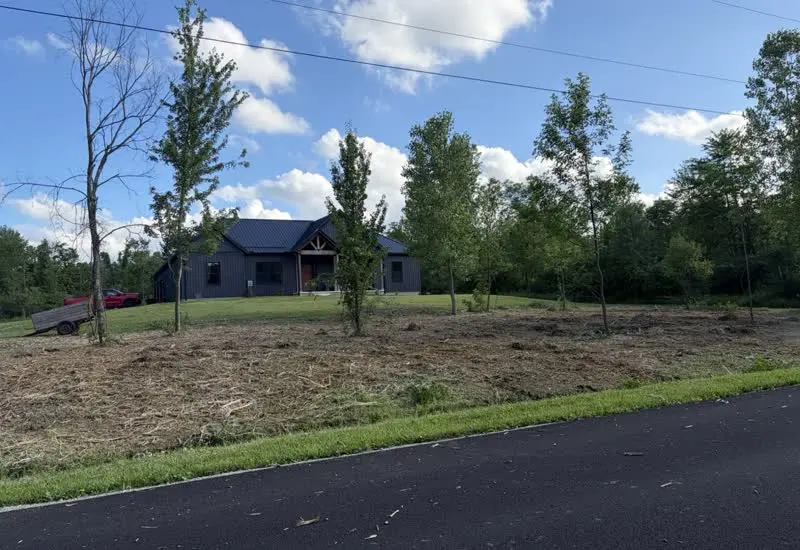
Overgrown lots, field edges, and acreage cleared down to clean, usable ground. Mulched in place, no burn piles and no haul-off.
Learn More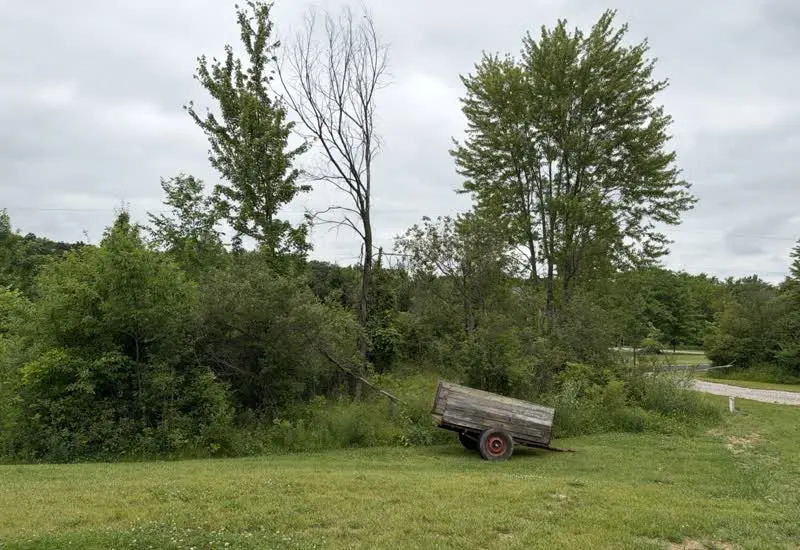
Overgrown fields, pastures, and lots knocked down with a heavy rotary cutter. One-time catch-up cuts or a seasonal schedule.
Learn More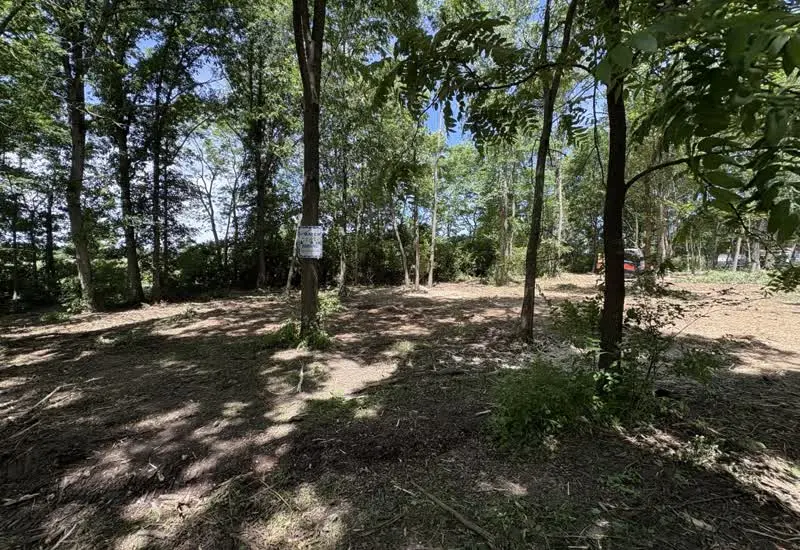
The tangled understory cleared out of your woods, honeysuckle, briars, and junk growth, while the trees you love stay standing.
Learn More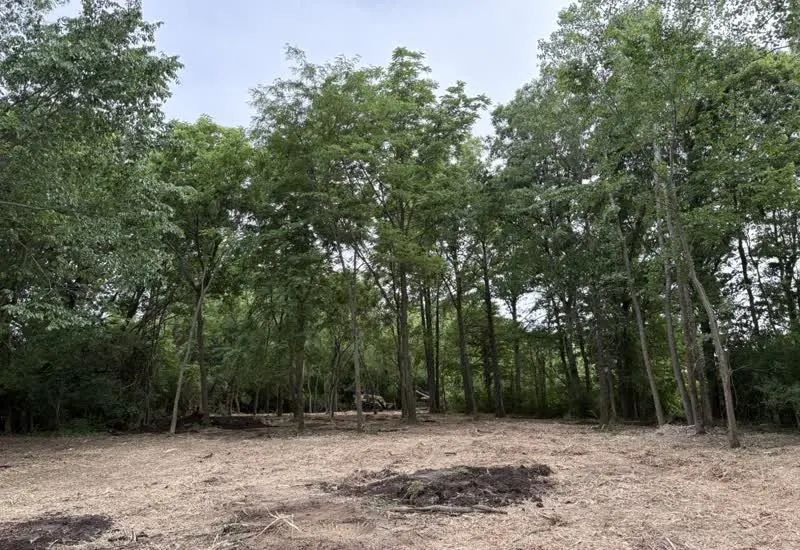
Homesites, pole barn sites, and whole lots cleared of brush and small trees so you can see, plan, and build on what you own.
Learn More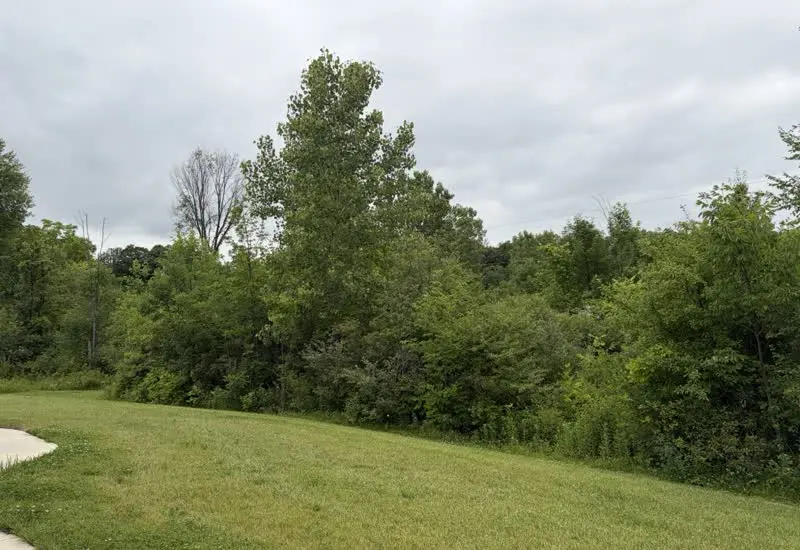
Fields lost to multiflora rose, autumn olive, and cedar taken back to open ground ready for grass, grazing, or hay.
Learn MoreBased in Mansfield, working a 75-mile radius across north central Ohio. A four-man crew, one tracked mulcher and a brush hog, and free written estimates from an on-site look.
Brush and small trees grind into a mulch layer right where they stood. No burn piles waiting on weather, no dumpsters, no debris trucks down your drive.
We walk the property, tell you exactly what the mulcher will leave behind, and put the price and timeline in writing. The number holds unless the scope changes.
Mulching is what we do. When a job needs an excavator, a tree service, or a different season, we say so at the estimate instead of forcing the wrong tool.
Overgrown field, choked woods, fence row you cannot find anymore? Call or send the form and we will walk the property with you, talk through what the ground needs, and hand you a free written estimate.
Tell us about your ground and we will get right back to you.